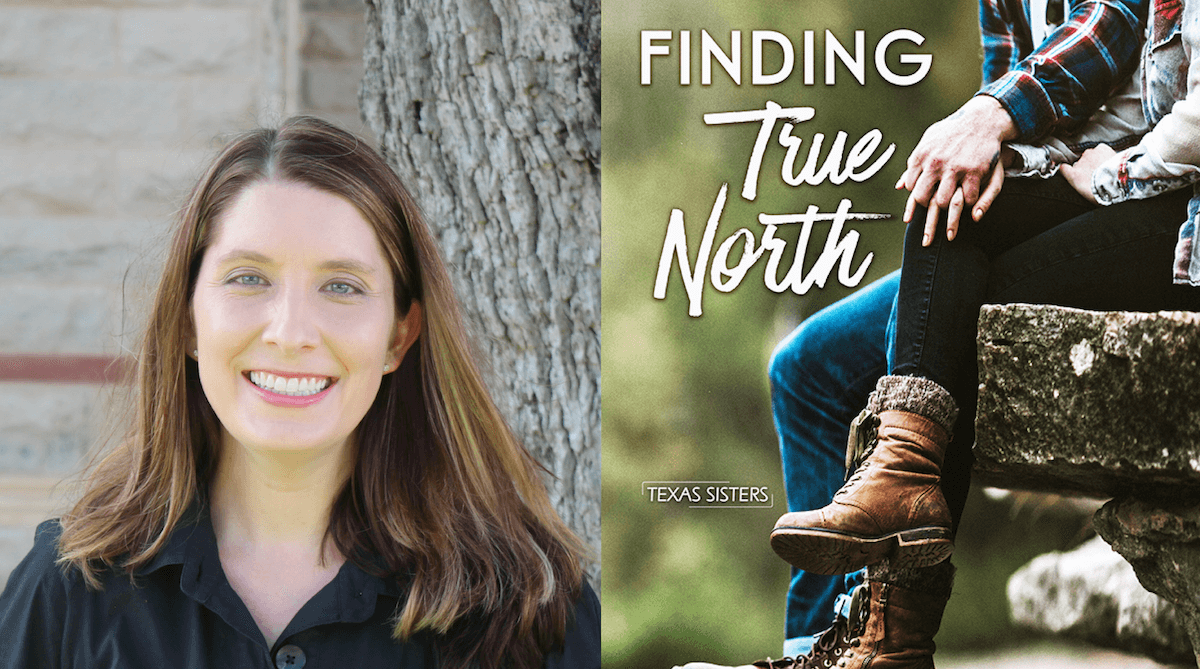
Maximizing Writing Productivity While Working Full-Time
Many writers dream of days they can devote entirely to their craft. But the reality is that working a day job in a field often [Read More]

Many writers dream of days they can devote entirely to their craft. But the reality is that working a day job in a field often [Read More]

We feel connected to place in a story when we see it through characters’ senses. Bring senses such as sight, hearing, touch, smell and even [Read More]
As the end of the year looms large, we writers should be thinking about strategic planning. I know—it sounds like work. Boring work. But, honestly, [Read More]
Theme is an often overlooked tool in a writer’s toolbox. Here’s another look at finding the greater meaning in your story. Several years ago [Read More]
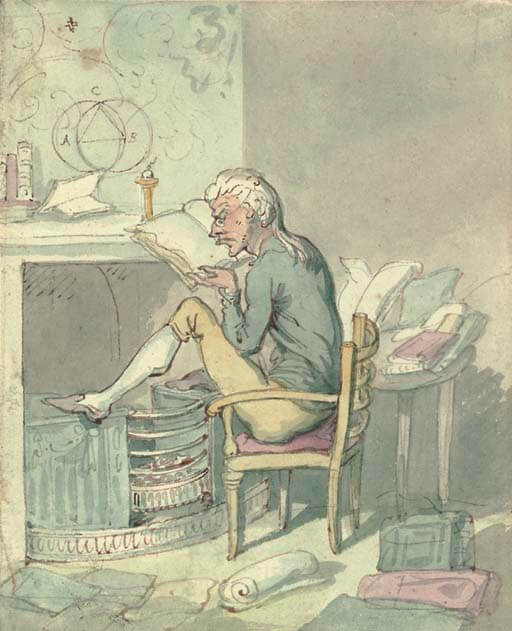
Ruth Harris and I have both written about how there are no rigid rules for writing good fiction, only guidelines. Even guidelines don’t apply to [Read More]
A reader from Connecticut is finishing up her new novel this month, getting ready to send it out to agents. She sent me a good [Read More]

One of the great things about Scrivener is that it allows you to divide up your work into scene – or chapter-sized “chunks” (usually documents). [Read More]
Writing character profiles and brainstorming main characters’ arcs helps establish story direction. A good character arc template includes facts about your characters’ goals, high points [Read More]

This post discusses the three types of compounds in English: compound nouns, compound modifiers, and compound verbs. Compound Nouns Compound nouns come in three forms: [Read More]

It’s no secret that the time-tested method of using cliffhangers at the end of your chapters or scenes is a sure-fire way to make that [Read More]
Understanding how to create tension in a story is key to writing a gripping, ‘I’ll just read one more page before bed’ read. Here are [Read More]

My father had his own set of proverbs that he dispensed like wisdom from the mountaintop. Even though it’s been decades since I lived in [Read More]

One of the topics I’d heard other independent authors talk about a lot was auto-responders, but for years, I put off actually setting up one [Read More]

The soul of writing is specificity, yet all too often, we lean on general-purpose words instead of choosing the most precise ones. Most of our [Read More]

Writing a novel is a complicated equation involving a lot of variables and moving parts—not the least of which are the authors themselves. In fact, [Read More]

Style, in its broadest sense, is a specific way in which we create, perform, or do something. Style in literature is the way an author [Read More]

So you’d like your latest writing project to get moving faster. Great writers have felt the same. Don’t worry, it’s fixable. When the words stop, [Read More]

We’re three days into November. Or, as many of think about it, three days into National Novel Writing Month (NaNoWriMo). Cathy wrote a great post [Read More]

By John Dorroh Natalie Goldberg, author of Writing Down the Bones, a book that all writers need to own and use, convincingly suggests to develop [Read More]

Nathan Bransford is the author of the Jacob Wonderbar series and How to Write a Novel, which NY Times bestselling author Ransom Riggs called “the [Read More]
Let’s say you have two favorites that bring you the most consistent and satisfying ice cream experience. Let’s say they are a deep, dark, intense [Read More]
Copyright © 2026 | WordPress Theme by MH Themes